How to Build a Bedtime Reading Routine Your Child Will Enjoy
Bedtime reading works best as calm time together, not another lesson to complete. The child learns a reassuring sequence: get ready for bed, choose a book, settle down and enter a story with a trusted adult. A personalized story can make the first step easier because the name and illustrated hero already feel familiar.
The American Academy of Pediatrics encourages parents to read aloud with young children and make shared reading a joyful part of everyday routines. Its current policy statement on literacy promotion describes links with language, relationships and social-emotional development.
Start with a short, predictable time
Ten to fifteen minutes is enough for a new routine. Consistency matters more than the number of pages. Give the ritual a clear beginning: “After pyjamas, we choose one story.” On a tiring night, look at the cover, read one scene and continue tomorrow. This keeps the book from becoming another demand.
Match the reading style to the child's age
Ages 3–4
Explore pictures, name characters and ask simple questions such as “Where is the fox hiding?” It is fine to stay on one illustration instead of finishing every sentence.
Ages 5–6
Invite predictions and discuss the hero's choices. A personalized story makes “What would you do?” feel especially natural.
Ages 7–8
Take turns: the adult reads most of the page and the child reads a sentence or familiar words. Afterward, invent another ending together without turning recall into a test.
Why a familiar hero can hold attention
A child's name and recognizable appearance provide an immediate way into the story. Personalized books should not replace a varied bookshelf, and they do not automatically teach a child to read. Their useful role is simpler: making one encounter with books feel emotionally close and inviting.
Use dialogic reading
Pause for conversation instead of reading every page without interruption. Try open questions:
- What did you notice first?
- How does the hero feel?
- Who might need help?
- What would you take on this journey?
- How else could this scene end?
If the child does not want to answer, simply share your own observation. The goal is connection, not a comprehension check.
Create a calm reading environment
Silence phone notifications, soften the light and let the child choose between two books. Screens do not need to become the enemy; agree that the final minutes before sleep belong to a story. A regular chair, favourite blanket or small lamp can signal that the day is slowing down.
Choose a personalized bedtime story
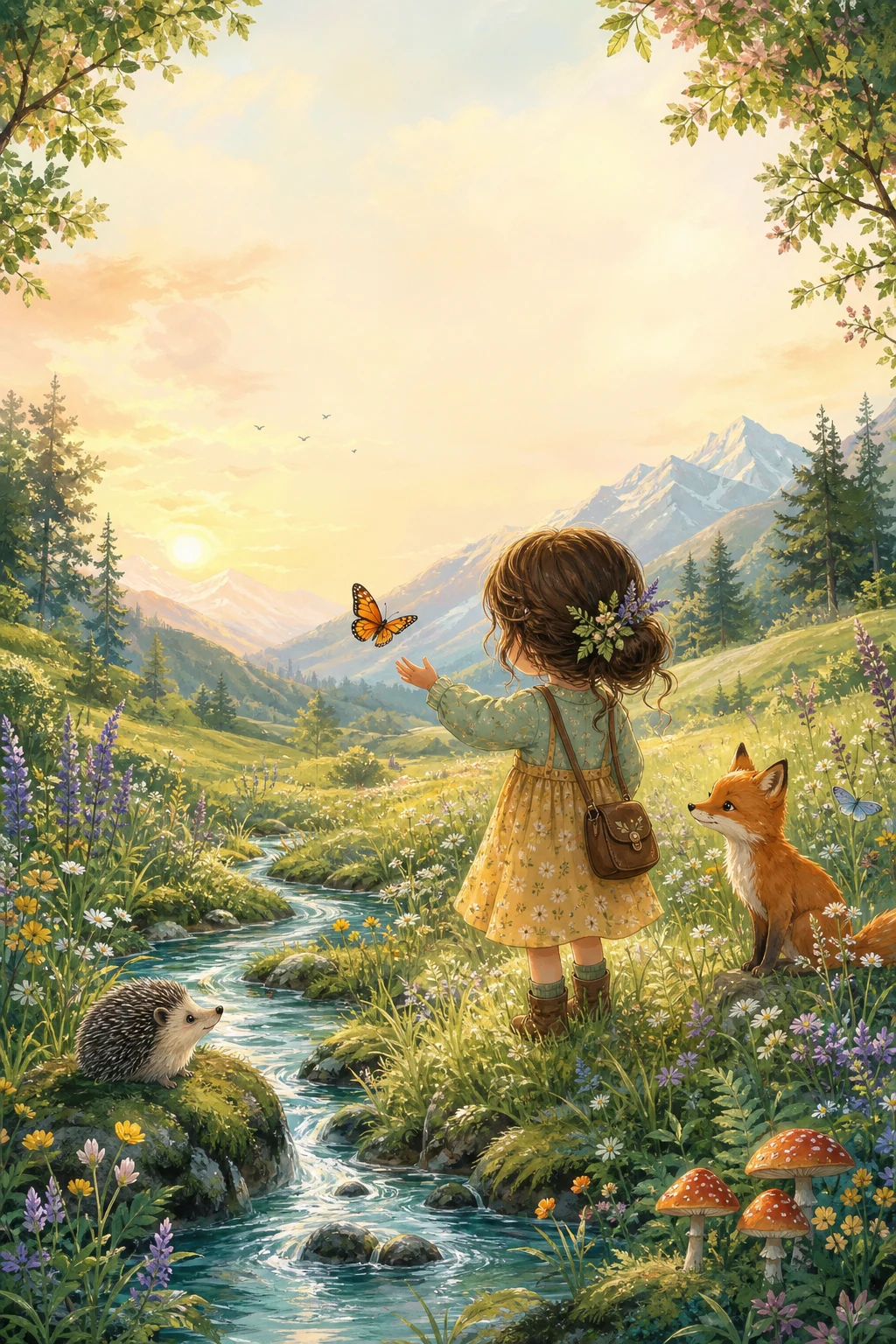
Bedtime stories work well with friendly characters, a clear challenge and a safe ending. The Little Nature Explorer offers a peaceful world, while The Kingdom of Good Deeds invites conversation about helping others. Read more energetic adventures a little earlier so there is time to discuss the ending.
Try the opening pages for free
On DreamBooks.ee, you can create a cover and two opening pages with the child's name and appearance before paying. Read the preview one evening and notice whether the story invites curiosity. It is a practical way to choose a book for your family's routine.